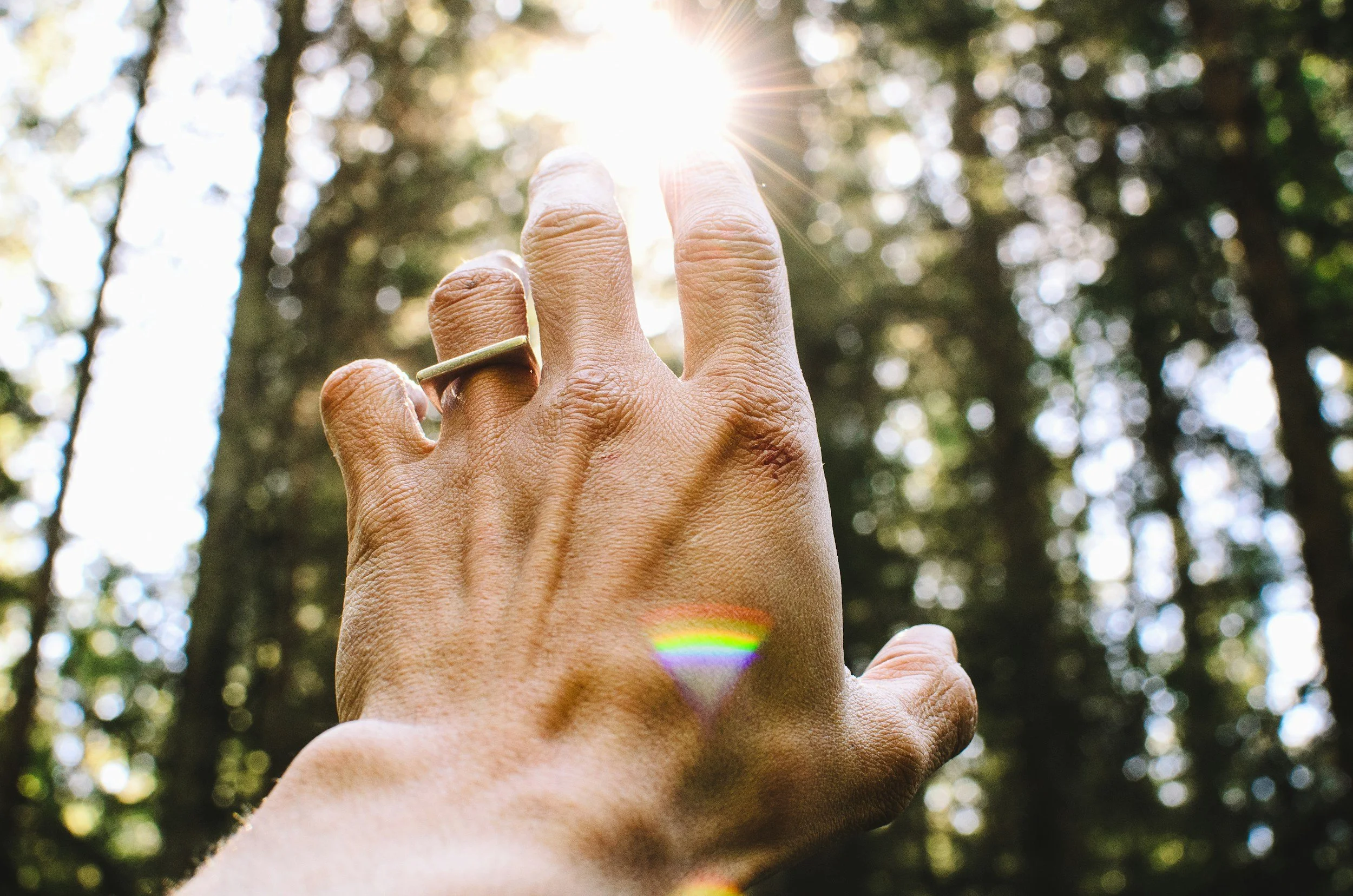
Historical and Cultural Context of Reiki
Reiki originated in Japan in the early 20th century, developed by Mikao Usui around the 1920s. It was rooted in ancient Japanese traditions and spiritual practices, aiming to promote healing by channeling universal life energy, often known as "ki."
Culturally, Reiki reflects a broader Eastern philosophy of holistic well-being, focusing on balancing the body’s energy to support natural healing processes. Over the decades, it has spread worldwide and found a place in many wellness and therapeutic settings, including psychotherapy, where it’s valued for its gentle, calming approach.
What is Reiki and How Can It Be Used in Psychotherapy?
Reiki is a gentle energy healing technique that originated in Japan and focuses on promoting relaxation and balance. Unlike some other methods, Reiki in our practice does not require any hands-on contact. Instead, the practitioner works with the client's energy field, often without any physical touch, to help create a sense of calm and support overall well-being.
In the context of psychotherapy, Reiki can be a wonderful complement, offering a non-intrusive way to help clients feel more at ease and support the therapeutic process holistically.
Experience Reiki: Energy Healing at It’s a Vibe Psychotherapy.
Experience gentle energy healing that supports both mind and body.
What a Reiki Therapy Session Looks Like
In a typical Reiki-infused therapy session with me, you’ll be invited to relax in a comfortable setting, sitting comfortably. I will guide you through the process, and there’s no need for physical touch. The session focuses on using gentle energy work to promote relaxation, reduce stress, and support your emotional and mental well-being as part of the therapeutic process.
Research on Reiki:
While research on Reiki is still evolving, there are several studies that suggest its benefits for stress reduction and overall relaxation. For example, you might want to check out this article published in the National Library of Medicine about the use of Reiki which provides an overview of Reiki and some research into its effects, another useful read is this study published in the Journal of Evidence-Based Complementary & Alternative Medicine which found Reiki to be effective in improving mood, and lastly an article published by Journal of Integrative and Complementary Medicine found that reiki might assist with healing. Interest in this area is growing, and additional research is helping to further validate its benefits.
Location:
I offer Reiki-infused psychotherapy sessions in Manhattan and online to help you accelerate emotional relief and inner transformation. These focused experiences are designed to support deep, lasting change by integrating gentle energy healing with traditional talk, EMDR, and Somatic therapy — helping you move forward with greater clarity, emotional balance, and renewed vitality.
In-person sessions available in the Flatiron District, and online.
Frequently Asked Questions About Reiki in Psychotherapy
-
In sessions where Reiki is offered, it can serve as a supportive complement to traditional talk therapy. It may help ease nervous system activation, deepen relaxation, and create a sense of emotional spaciousness—especially when words feel limited. Whether Reiki is part of your session is always guided by your needs, preferences, and comfort level.
-
Not at all. Reiki is simply one of the tools available in the healing space. If it's something you're curious about or open to, we can explore it together. If it's not your preference, that’s absolutely respected. Our work together is shaped by what feels most supportive to you.
-
No. Reiki can be practiced with hands placed slightly above the body (without contact). If Reiki is part of your session, we'll talk about what feels most comfortable for you beforehand. There is no need for physical touch at any point.
-
Everyone’s experience is different. Some people feel warmth, tingling, or a sense of deep calm; others simply notice a general feeling of ease or groundedness. Some may not notice any particular sensation at all — and that’s okay too. Reiki works gently and subtly.
-
Reiki is not tied to any religion or belief system. You don’t need to believe in anything specific for it to be beneficial. It’s simply an energy-based practice that supports your well-being in a holistic way.
-
Reiki is offered with care and intention, always attuned to your pace. It can be particularly grounding and supportive when you're navigating complex emotions or trauma, but it’s never used in a way that overrides your voice, boundaries, or readiness. You’re always in charge of how we proceed.